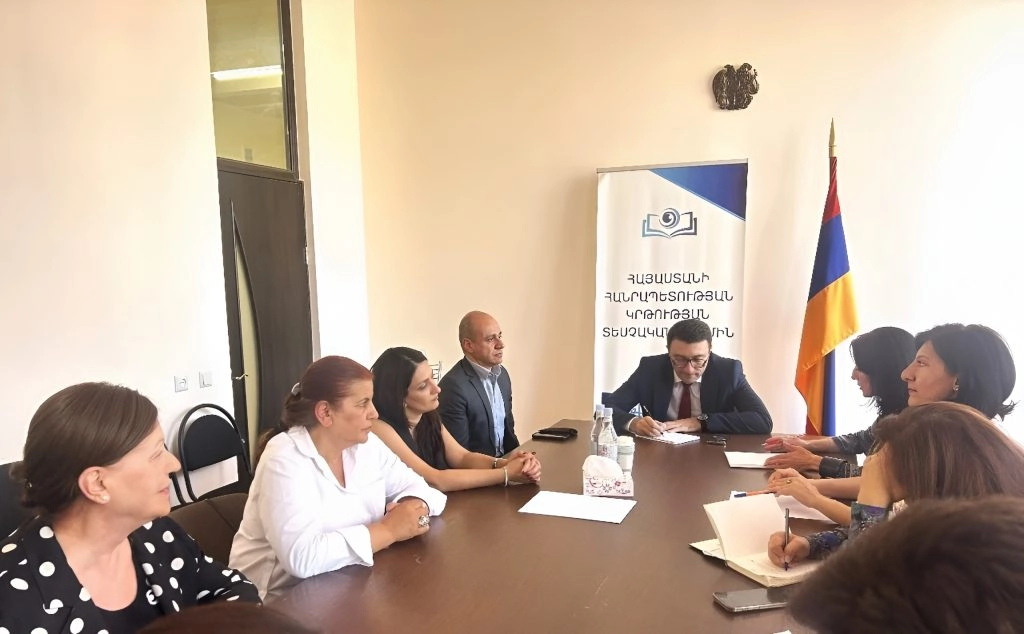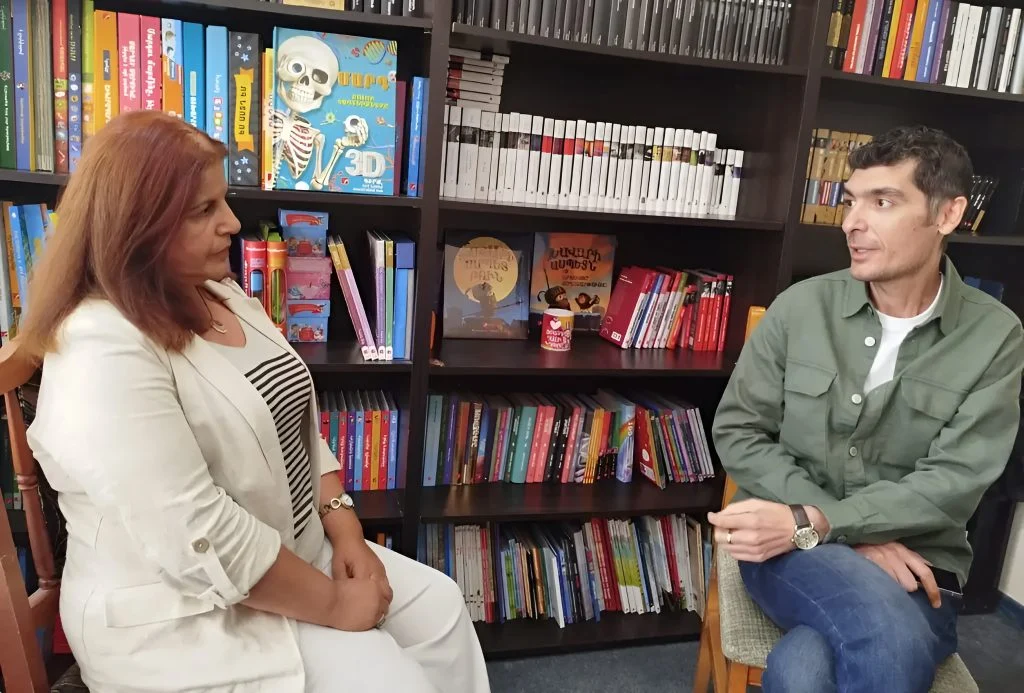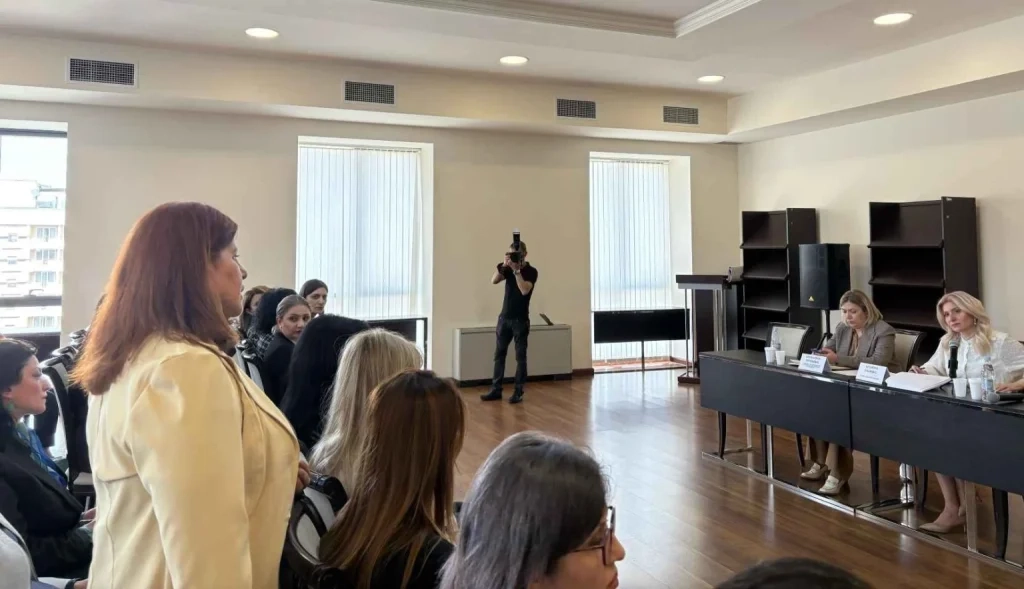


Photos: MFE
“Recent student protests across Europe have put education into the spotlight, renewing a fundamental debate: how much does a country spend on education and what does that money actually achieve?
n Armenia, this question became the starting point for an in-depth investigation led by Media for Education NGO, with the support of the European Union. Bringing together independent journalism, pedagogical expertise and economic analysis, the organisation set out to examine whether rising public funding translates into better learning outcomes and meets the real needs of schools, teachers and students”.
EU NEIGHBOURS east, the European Union’s information platform on cooperation with the Eastern Partnership countries, has featured the work of Media for Education NGO in its article “More than an essay: putting Armenia’s education system under examination”. The article presents the organisation’s founding vision, research activities, findings and efforts to improve education policy.
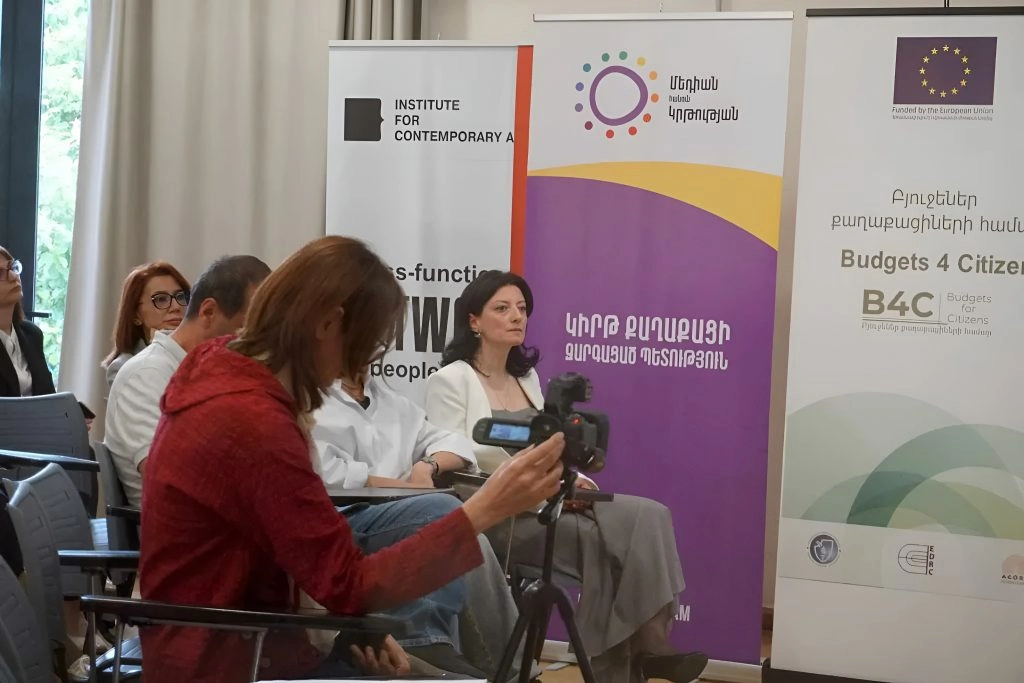
In 2025, with EU support through cooperation with the Armenian Lawyers Association, Media for Education implemented three interconnected initiatives: analysing public education expenditure, involving young people in budget monitoring, and examining students’ critical thinking and writing skills.
As part of its research into public education financing, the organisation compared government expenditure between 2021 and 2025 with education policy objectives and the actual needs of schools.
The research revealed discrepancies between increased funding and educational outcomes. In particular, higher public spending has not always resulted in improved education quality or more effective implementation of planned measures in schools.
EU NEIGHBOURS east also highlights the recommendations submitted to public authorities on the basis of the research and the responses they received.
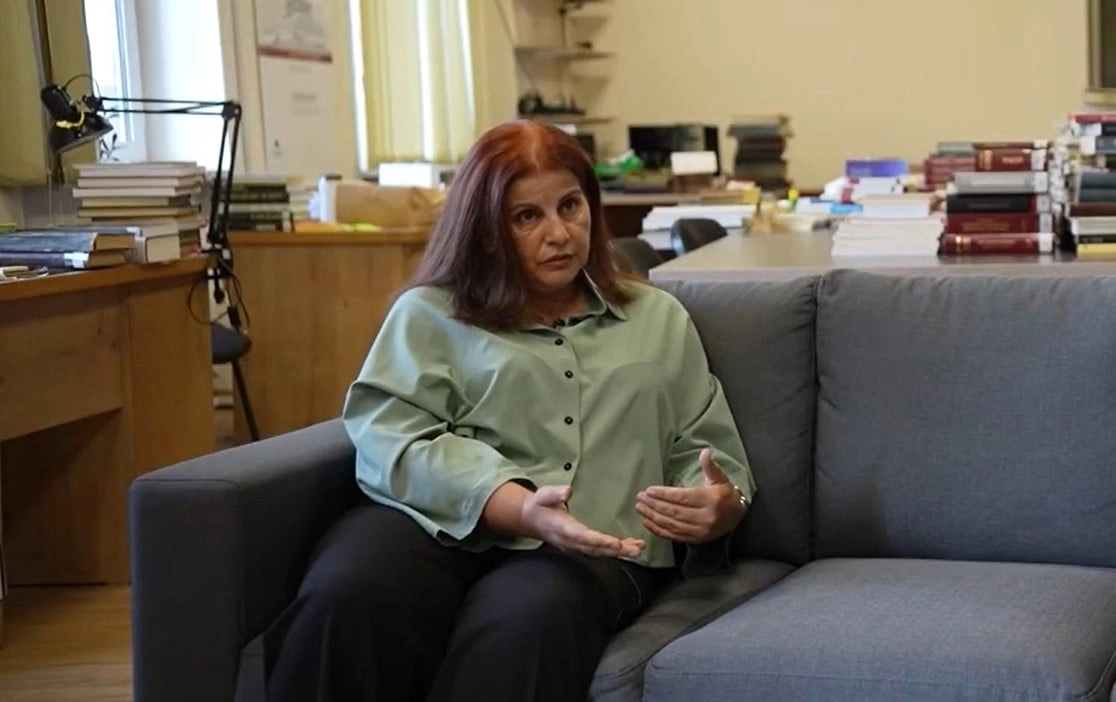
A significant part of the article focuses on essay examinations and the assessment of students’ writing skills. It presents the observations of Nelli Hayrapetyan, an Armenian language and literature teacher, the findings from the analysis of students’ essays in 2024 and 2025, and the NGO’s proposals to make examination assignments more accessible and better suited to students’ abilities.
The article also describes changes resulting from this work: cross-cutting concepts were removed from examination assignments, and the Ministry published a new guide to teaching essay writing.
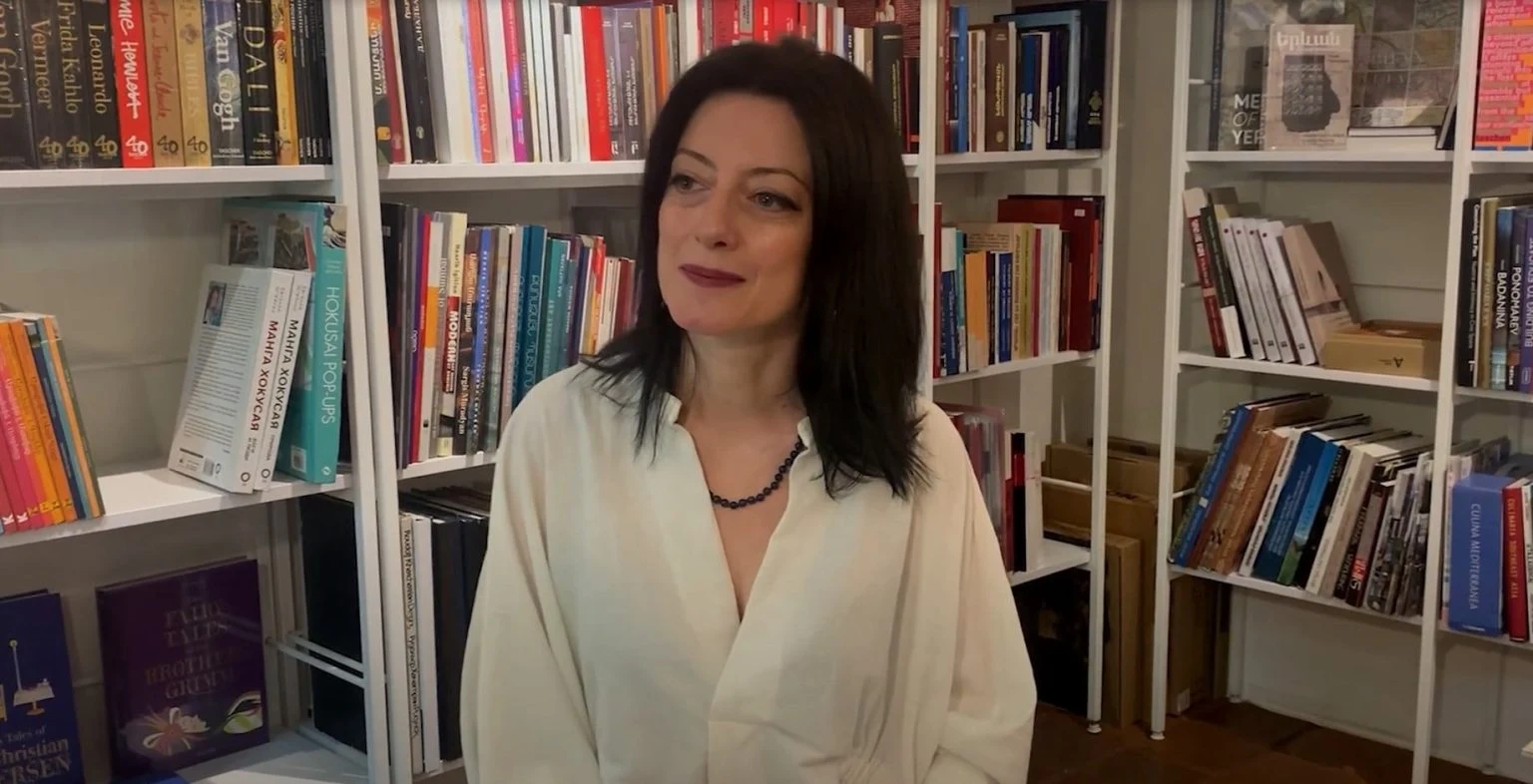
“When a teacher, a journalist and an economist look together at what problems exist, what is being spent to address them and what information is available, we can understand the issue much better,” says Anush Martirosyan, President of Media for Education NGO, in the article.
The article concludes by highlighting the organisation’s future direction: following up on its recommendations, monitoring the practical impact of education policy decisions and documenting their consequences for teachers and students.
EU NEIGHBOURS east also emphasises the initiative’s central approach: public expenditure should be assessed not by the amount of money allocated, but by the difference it makes in the classroom.