Photos by Ecoschool
Armenia has reached the final stage of the European Commission’s ForOurPlanet international competition with the experimental, author-designed eco-education project “Trees Under the Microscope.” Only 10 projects have advanced to the final round.
The winner will be selected through a combined format: 50% public voting and 50% jury evaluation.
To vote, users can simply follow the link and leave a “like” without registration.
Public voting is open until May 3.
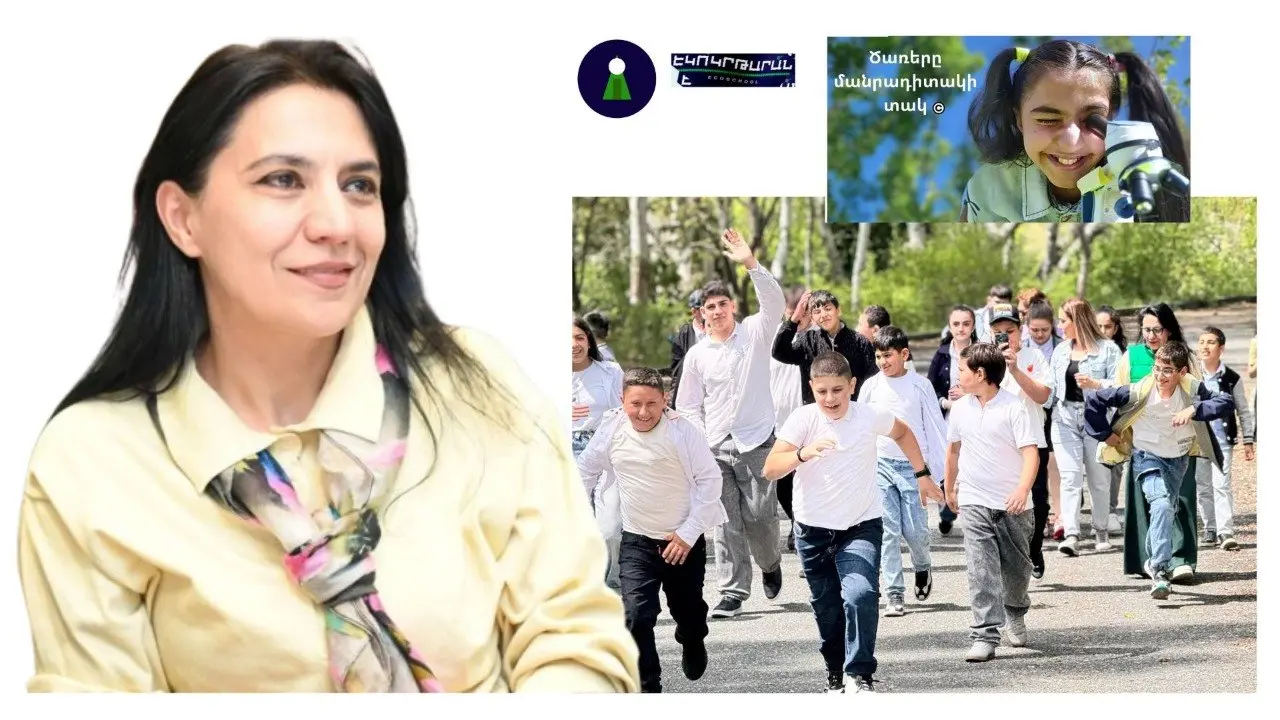
The project was created by Nelli Yeghoyan, founder of the “Ecoschool” Center for Ecological Education and president of the ECOS environmental and cultural NGO.

In response to a question from MediaForEdu.am, Yeghoyan explained that the pilot phase of the project began in late 2023.
“The goal is not necessarily to turn children into scientists, although participation in ‘Trees Under the Microscope’ may inspire future researchers and environmental leaders. Most importantly, all participant s- regardless of their interests – should develop a science-based understanding of nature and grasp what is happening within it, particularly within trees, and why these mysterious elements of nature are so important,” she said.

Yeghoyan also highlights the importance of fostering conscious care toward trees in Armenia, as well as cultivating interest in science.
“The idea has existed for a long time. I decided to consolidate my years of observation and experience into a project. This is the first initiative of the “Ecoschool” Center, and it continues to remain in focus. I want to present natural sciences in a way that is engaging, surprising, and accessible,” she noted, emphasizing that the learning process should be memorable for children.
“Trees Under the Microscope” is designed as a tool for shaping important values in children.
“Most importantly, I want children to independently conclude that trees must be protected and that we have much to learn from nature,” the project author added.
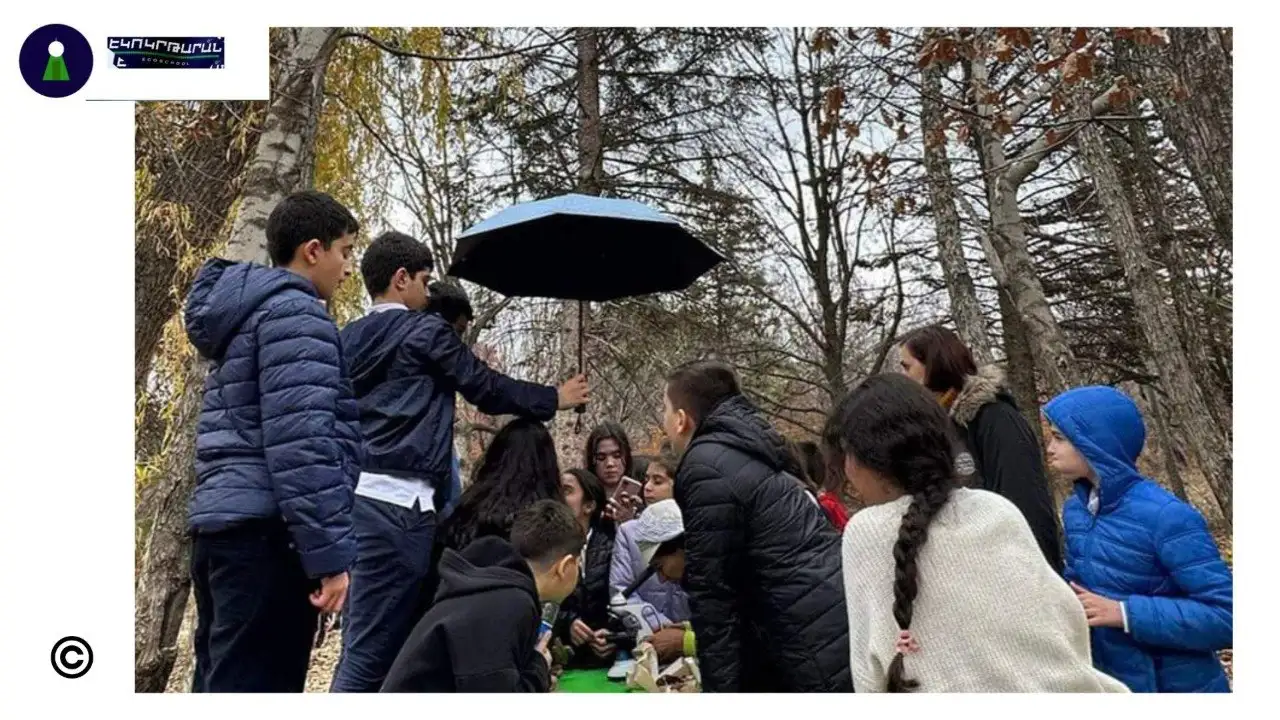
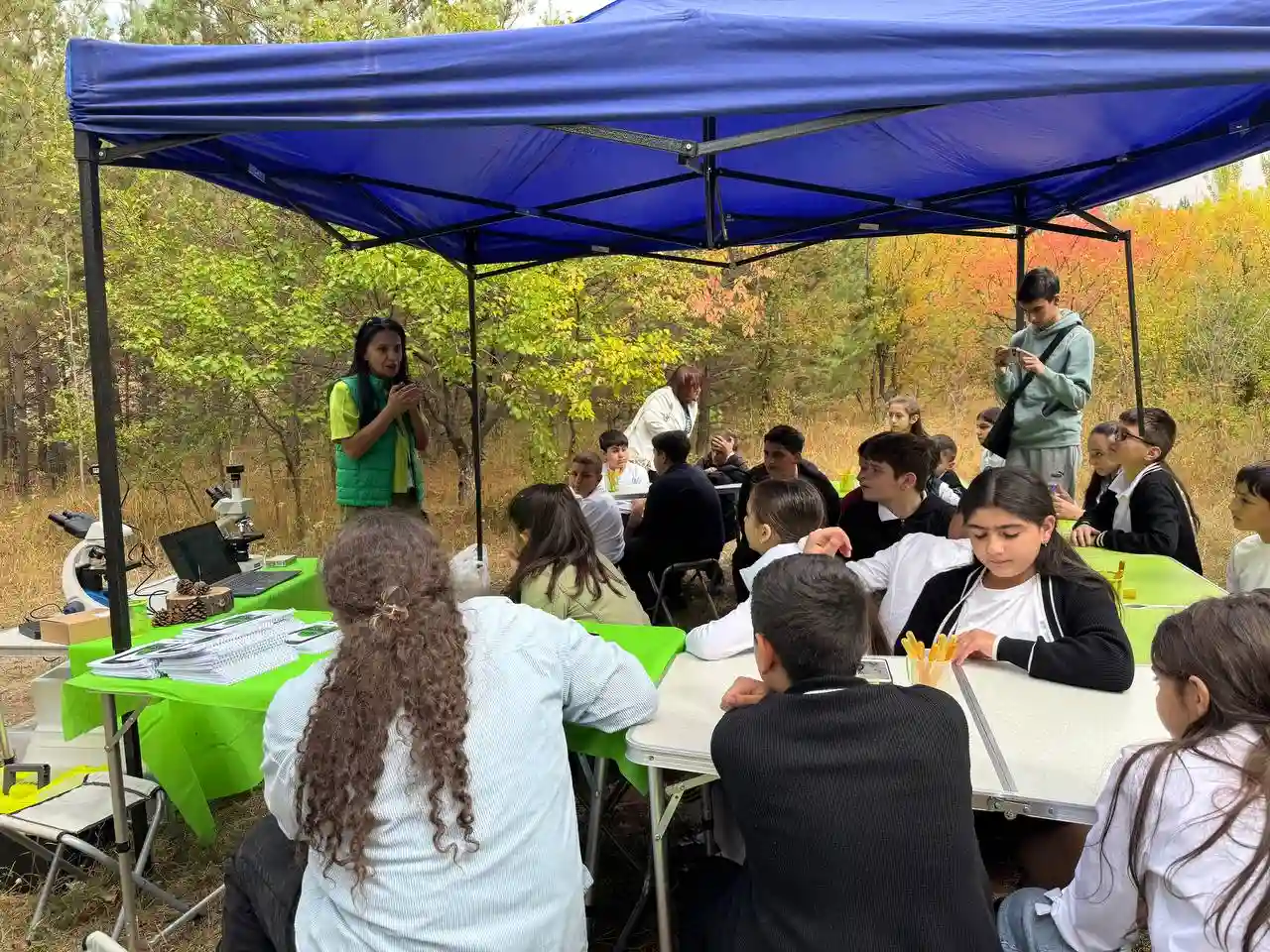
The project is based on the organization’s observations that studying nature directly in natural environments beyond textbook formats – is more effective, while also offering opportunities to address multiple educational goals simultaneously.
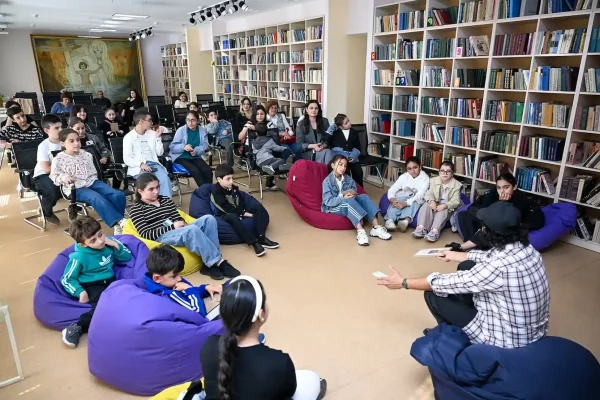
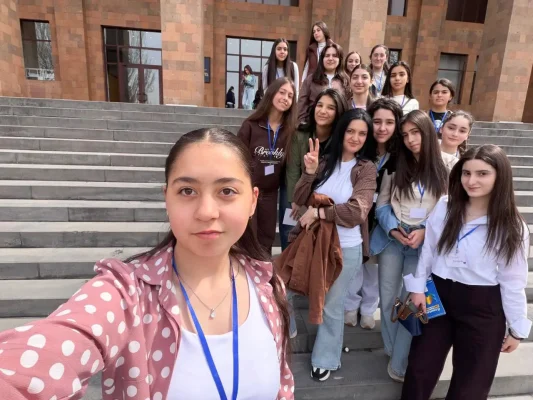
More than 700 schoolchildren from Yerevan, Kotayk, and Gegharkunik regions participated in the pilot phase, including children from two rehabilitation centers along with their siblings. The activities took place in the Jrvezh Forest Park, urban parks, and partner locations, adapting to the opportunities of each environment.
Yeghoyan is convinced that the project effectively complements the general school curriculum, particularly for 7 th – grade students.
For teachers, it serves as a tool to motivate students and spark interest in science. For schools, it becomes an added value for students and the wider school community without requiring additional resources.
Surveys conducted during the pilot phase revealed that 84% of participating children had never used a microscope before.
Each child who took part in the project completed a questionnaire, and teachers also participated in the surveys. The children’s honest observations, suggestions, and feedback played a significant role in improving the educational program.