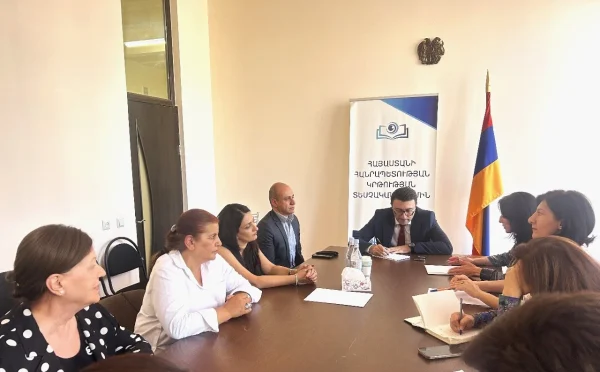
Photo by “Mkhitar Sebastatsi” Educational Complex
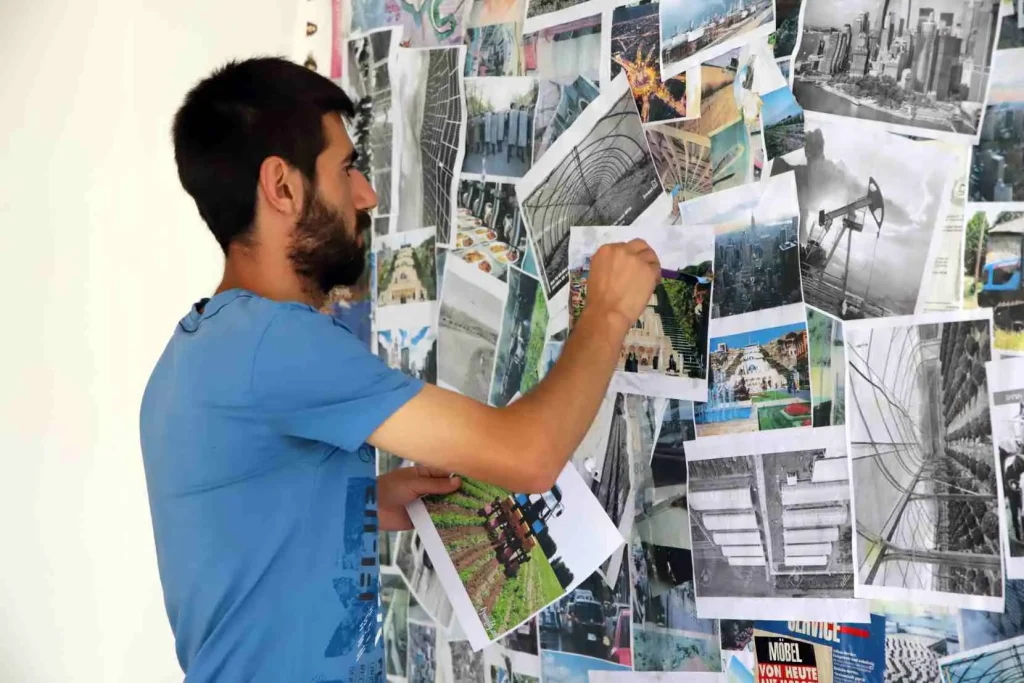
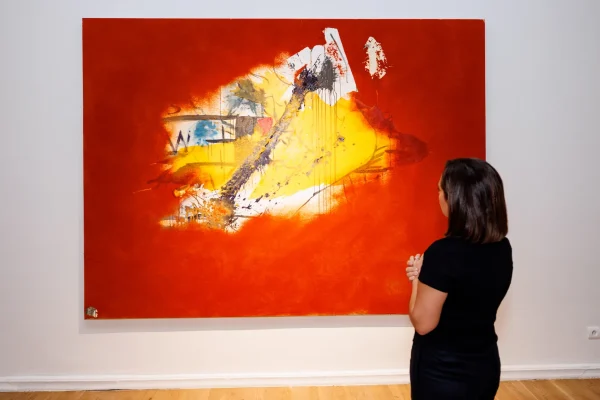
Narek Hakobyan’s participation in the “Borders” exhibition stands out with his décollage. As a reversal of collage, this work transforms art into an intriguing gesture, a remarkable pedagogical experiment, and a space for communication. The artist-teacher presents the border not as a barrier but as a site of dismantling and re-interpretation. The décollage is the result of an action that breaks dominant meanings and opens the possibility of creating new relationships with the world.
For the third year, Narek Hakobyan has been teaching technology at the Western School of the “Mkhitar Sebastatsi” Educational Complex. “I wanted to teach; I was interested in working with children.’ Art needs an environment. If such an environment is lacking, people stop creating as they grow up.”
For Narek Hakobyan, the environment is also a social and intellectual context. To keep alive the impulse for creativity in children, he has found a way: when an artistic technology is used that is not only visually appealing but also enjoyable for children, their creative inclinations are sure to unfold- provided that at each step the right approach is taken.
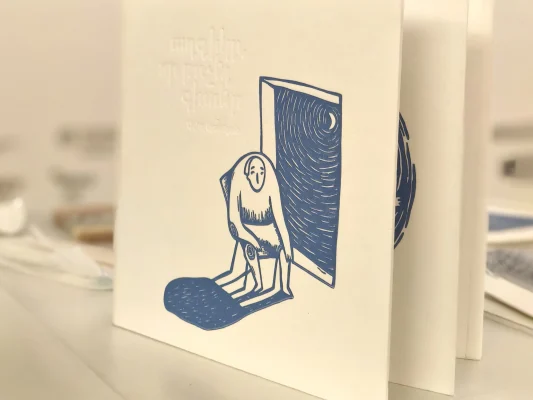
Narek Hakobyan’s décollage is based on the idea that borders must be broken, opposing dominant meanings. “I was influenced by the technique of décollage. Collage is when you paste images together in a mix, and the text no longer remains the dominant idea. But when you break it apart, placing the letters in different places, something entirely different emerges.” In this way, the artist-teacher pierces ready-made structures and dismantles hierarchical relations.”
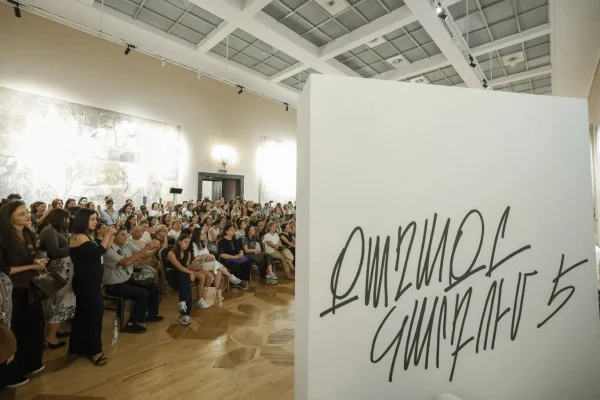
“Art creates communication between people.”
The artist-teacher’s explanation reveals broader layers of ideas: “I was interested in where the progressive idea lies within borders. For me, it is when people are in horizontal rather than hierarchical relations. I asked myself: where is that the case? There are the environments of the city and the village. There was once a socialist idea that people would no longer work, that robots would do the work, and people would create. The notion was that both the village and the city should be progressive. I imagined that this would only be possible if hierarchical conditions were removed. As in the Marxist example, simply changing the tools does not change the relations.’”
Narek Hakobyan deliberately introduces the playful act of pasting and tearing images into the pedagogical process. According to him, children find décollage especially engaging, as the act of attaching and removing fragments of a work becomes an experience of freedom. For him, it is a space where hierarchy simply cannot exist. Décollage thus becomes a school of collective creativity- at once an experiment and a game.”

Photo by “Mkhitar Sebastatsi” Educational Complex
Այս ամենը հատուկ երանգ է ստանում «Սահմաններ» ցուցահանդեսի համատեքստում. սահմանը դիտարկվում է որպես ոչ թե որպես պատնեշ, այլ հաղորդակցության հնարավորություն։ Նարեկ Հակոբյանի աշխատանքը ընդգծում է այդ մոտեցումը՝ սահմանը վերածելով երևակայության ուշագրավ տարածքի։ Այստեղ դեկոլաժը ոչ միայն հակադրվում է ճնշող մեխանիզմներին, այլև բացում է համագործակցության, կիսելու-նոր տեղ ցույց տալու և նոր կապերի հնարավորություններ։
For Narek Hakobyan, art is not only a form of creative expression but also a means of building an environment where it is possible to play, share, and construct alternative relations. In this way, décollage becomes a border experience, a tool for doubt and re-interpretation, that simultaneously shapes a shared space for art and education.”
P.S. The works of the other artist-teachers presented at the exhibition will be published soon.