Photo by asahi.com
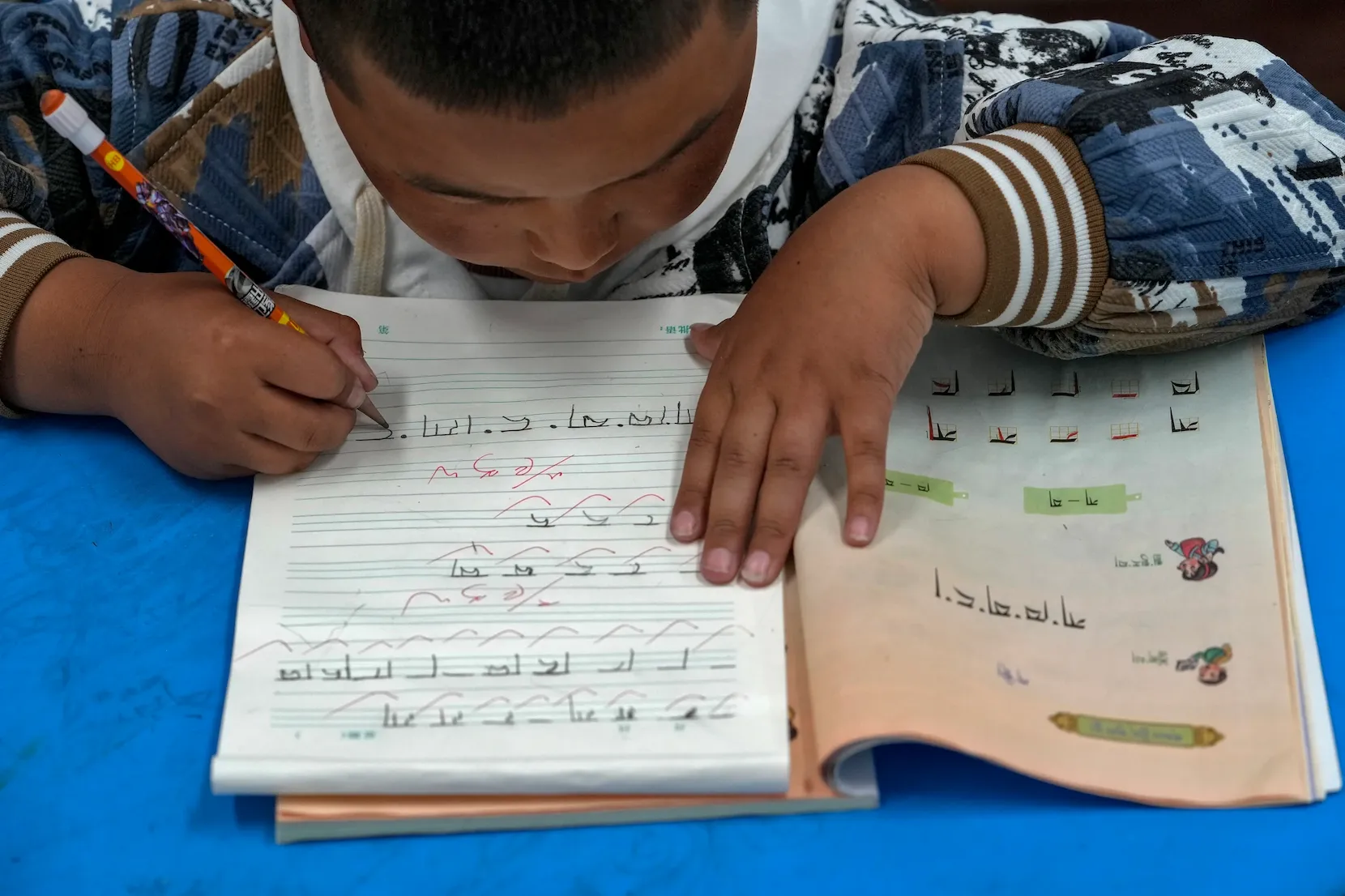
Human Rights Watch has warned that children in Tibet are increasingly losing their native language as a result of Chinese-medium preschool education, according to a new report titled “Start with the youngest children”.
The report finds that children as young as three to four begin to stop using Tibetan within weeks or months of enrolling in Chinese-language kindergartens. This shift takes place at a critical stage of language development and occurs even in families where Tibetan remains the primary language among adults.
According to the findings, children under 16 in Tibet are increasingly using Chinese in both school and social settings. As their Chinese improves, their Tibetan weakens, with the effect particularly pronounced among preschool-aged children. In some cases, children are no longer comfortable speaking Tibetan even within their own families, raising concerns about long-term impacts on cultural identity and family relations.
The report links these developments to a broader policy shift. In 2021, China introduced the “Children’s Speech Harmonization Plan,” making Chinese the mandatory language in kindergartens, including in ethnic minority areas. While minority languages are not formally banned, the policy effectively removes the ability of communities to determine the language of instruction.
Additional measures reinforce this shift, including expanded preschool enrollment, Chinese-language testing, and, in some cases, requirements for parents to speak Chinese at home. The report says these policies limit families’ ability to pass on language and culture across generations.
At the same time, educational content emphasizes loyalty to the state and the ruling Chinese Communist Party, promoting identification with a unified “Chinese nation.” Cultural programming prioritizes “traditional Chinese culture,” while excluding religious elements such as Tibetan Buddhism, which is central to Tibetan identity.
Recent legal and policy changes have further narrowed space for minority-language education. Authorities have ruled that requiring instruction in minority languages can be considered unlawful, while Tibetan has been removed as a subject from the national college entrance examination in the Tibet Autonomous Region. A 2024 preschool education law establishes Chinese as the primary language of instruction, and a 2026 law introduces penalties for obstructing the use of the national language.


International human rights standards, including the Convention on the Rights of the Child, guarantee children the right to use their own language and preserve their cultural identity. UN bodies have repeatedly expressed concern over restrictions on minority-language education in China.
Human Rights Watch calls on authorities to ensure that Tibetan children can learn and use their language at all levels of education, to end forced integration measures, and to protect the right of families to choose the language of instruction.