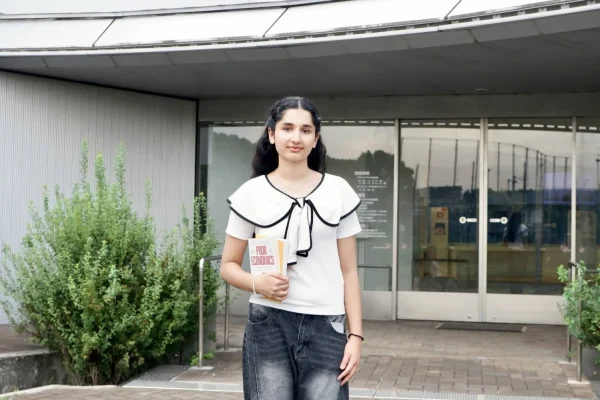
Photo by Artur Lumen
Many people are familiar with the stereotype of education based on persistence, hard-working and rote memorization. Some point to this model as something everyone should aspire to․ Work more! Study harder! Live less!
Facts and figures do not lie – these countries (China, USA, Japan, etc.) outperform us in both math and science, but there might be a better and healthier way to go about this.
Finland is the answer – this country has initiated over the years a number of new and simple changes that have completely revolutionized its educational system. They outrank the United States, Eastern Asia, and most European countries.
Are Finnish students sitting in dimly lit rooms on robotic schedules? No.
Are they stressed over government-enforced standardized tests? Absolutely not. Finland is leading the way because of a teaching environment that prioritizes equity over excellence.
No standardized testing
Standardized testing is the primary method used to test for subject comprehension in many countries. Filling in small squares on a piece of paper and answering pre-canned questions is somehow supposed to be a way to determine mastery or at least competence in a subject. What often happens is that students end up memorizing information just to pass the test, and teachers focus only on preparing students for passing these tests.
Here are some reasons why Finland’s education system is recognized as one of the best in the world.
In contrast, Finland does not use standardized tests, except for the National Matriculation Exam, which is a voluntary test for students at the end of upper-secondary school. In Finland, all children are graded on an individualized basis, using a grading system set by their teachers, and the Ministry of Education tracks overall progress.
Cooperation instead of competition
While most of the world sees the educational system as a competitive field, the Finns see it differently. Ironically, this attitude has put them at the head of the international rankings. Finland’s educational system doesn’t worry about artificial or arbitrary merit-based systems. There are no lists of top-performing schools, teachers, or children.
The right priorities
Many school systems are so concerned with increasing test scores and information reproduction, that they tend to forget what constitutes a happy, harmonious, and healthy student and learning environment. 45 years ago, the Finnish school system was in need of some serious reforms. When developing the program, Finland focused on understanding the child’s real needs. It wasn’t about dominating with excellent grades or artificially raising the benchmarks. Instead, they looked to make the school environment a more equitable place. Since the 1980s, Finnish educators have focused on making these basics a priority.
Starting school at an older age
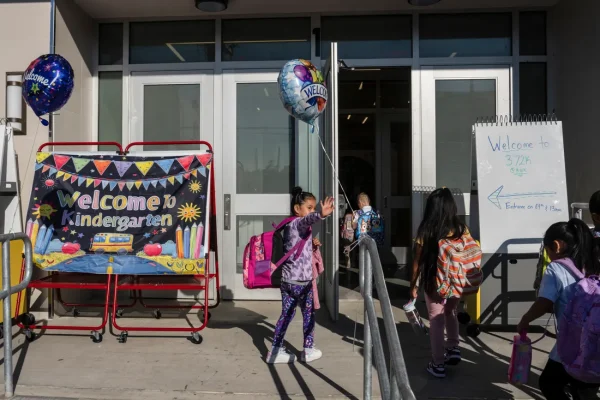
In Finland, students start school when they are seven years old. They are given the freedom during their early childhood years to not be chained to compulsory education. It’s simply a way to let a kid be a kid.
Diversity of Schools
Since the beginning of the reforms, Finland has welcomed the entry of various private schools into the education system. All schools, both public and private, are free and equally accessible to all. The state finances all possible schools, fully and according to the number of students. For this reason, every school strives to provide the best education in order to retain its students.
Providing professional options
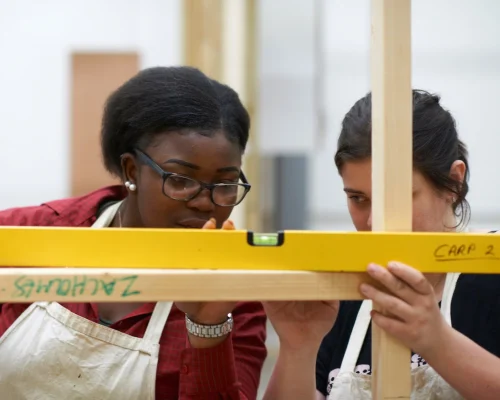
In many countries around the world, the education system is stagnant and immutable. Children are stuck in an endlessly repeating cycle, jumping from teacher to teacher. Each grade is a preparation for the next, all ending in the grand culmination of university admission. However, many students attend university due to societal pressure and end up with degrees that are not useful to them. The reality is that many people enter university right after finishing school and graduate regardless of the quality of their studies. Even with below-average knowledge, they are considered specialists and work in various fields. Finland addresses this problem by offering alternative paths to various professions without necessarily enrolling in a university. Students can choose professional gymnasiums where they can master different trades. There is no artificially created public distinction between higher education and professional gymnasiums or the working class. Both can be equally professional and fulfilling for a career.
Teachers’ authority
Students in Finland often have the same teacher for up to six years of their education. During this time, the teacher can take on the role of a mentor or even a family member. Over those years, mutual trust and bonding are built, so that both parties know and respect each other.

Different needs and learning styles vary on an individual basis. Finnish teachers address this by constantly identifying the unique needs of each student. Only after identifying these needs they can accurately track and support their progress, helping them to achieve results.
A more relaxed atmosphere
There is a general trend in what Finland is doing with its schools: less stress, less unnecessary regimentation, and more caring. Students usually only have a couple of classes a day. There are many 15-20 minute breaks during the day where children can stand up, stretch, eat, get some fresh air, or just relax.
This type of environment is also needed by the teachers. Teacher rooms are set up all over Finnish schools, where they can relax, prepare for the lessons, socialize, or rest. Teachers are people too and need to be functional so they can operate at the best of their abilities.
Less homework
Students in Finland have the least amount of homework than any other student in the world. They spend only about half an hour a day working on assignments from school. Finnish students also don’t have tutors. They get everything they need done in school without the added pressure that comes with excelling at a subject. Without having to worry about grades and busy work, they can focus on the true task at hand – learning and growing as human beings.
Lilit Avagyan
MFE Co-founder
Teacher