Photo by MFE
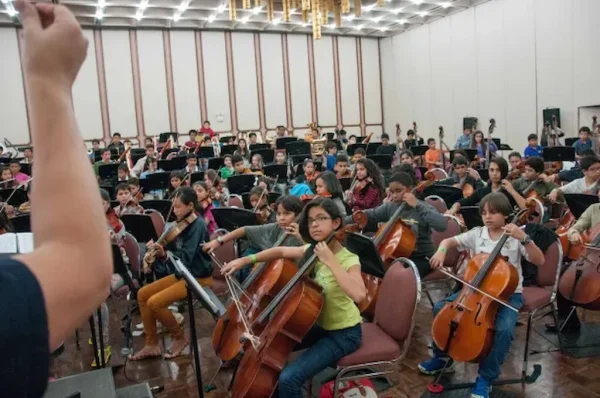
Education plays a crucial role in the development of individuals and the state, however, in Armenia, there is a significant gap between students in urban areas (especially in Yerevan) and those in rural areas. This leads to big differences in the quality and outcomes of education. By studying how other countries, such as Sweden, have addressed the challenges of urbanization, Armenia can localize practical steps to solve this issue while considering its features.
Resources and Technology
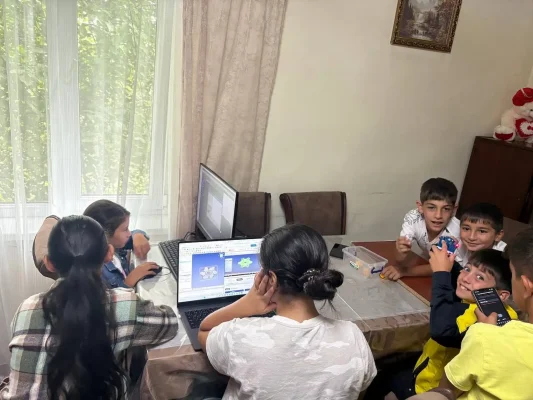
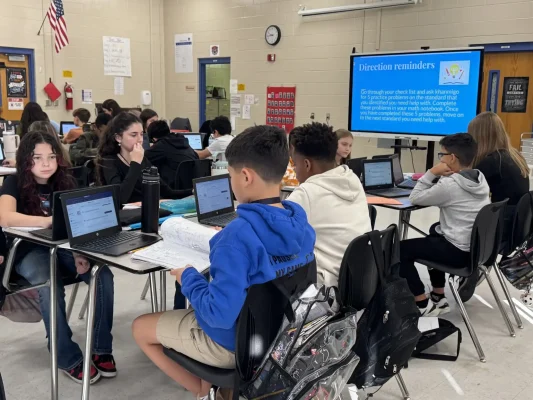
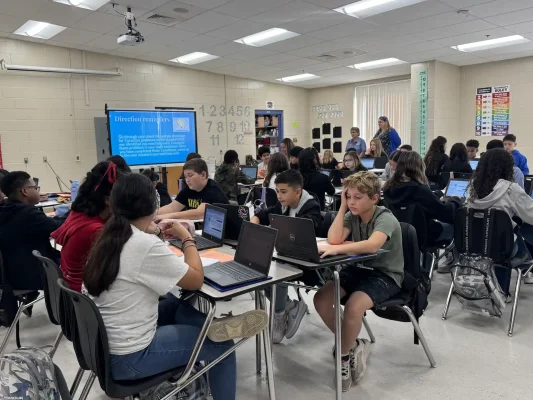
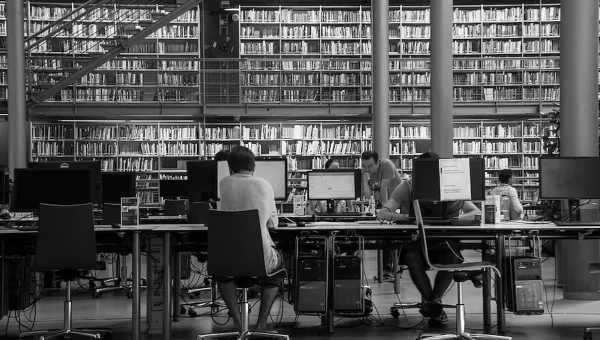
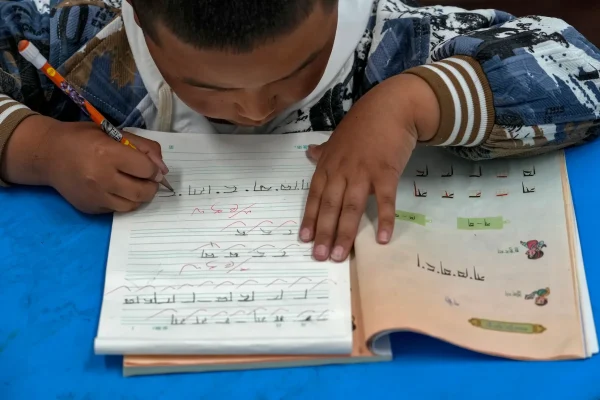
One of the main causes of inequality between rural and urban schools in Armenia is the issue of access to educational resources. In urban areas, particularly in Yerevan, schools and universities generally have well-equipped libraries, up-to-date textbooks, specialized educational materials, laboratory equipment, classrooms specifically designed for different subjects, and favorable technological conditions. However, the situation is different in rural areas. Schools often lack various educational materials and resources. This lack can reduce students’ engagement and enthusiasm for subjects that require visual or practical learning.
Sweden has addressed this issue by ensuring equal access to resources and technology across the country. Sweden implements technological grants for rural schools, providing access to all the learning tools used by urban schools.
Quality of Education
In Armenia, the quality of education (teaching) also significantly differs between urban and rural areas. Urban schools often have better-trained teachers, a more diverse and specialized range of courses, and a wider variety of extracurricular activities. Rural schools in Armenia face challenges in attracting and keeping qualified teachers. This leads to a decrease in educational level.
In Armenia, rural teachers are typically overburdened, having to teach multiple subjects, while urban schools offer a wider range of courses and have better-trained educators. This not only affects the overall learning experience but also limits the academic and career opportunities for rural students.
Sweden has addressed this issue through incentive programs for rural teachers, offering higher salaries, financial benefits, housing support, and opportunities for professional growth to attract teachers to rural areas. Additionally, Sweden has developed a teacher collaboration model where urban and rural teachers participate in joint training programs to exchange knowledge and best practices. This model helps to balance educational standards across the country.
Infrastructure and Environment
School or university infrastructure is another area where the urban-rural divide is evident in Armenia. Schools in Yerevan are often located in modern buildings with well-furnished classrooms, amenities, and appropriate heating. In contrast, rural schools often operate in outdated buildings with limited access to even basic facilities, such as functioning and clean toilets or proper heating. This affects not only the quality of education but also the health and well-being of students. It’s important to remember that the goals of general education and the principles of state policy are defined in “Armenia’s “Law on General Education,”. According to Article 5 of the mentioned law, “the state guarantees” “equal opportunities, accessibility, continuity, consistency, and alignment of general education with the developmental level, features, and preparedness of the students.”
Sweden’s “Low on Education” requires that every student, regardless of where he lives, has access to a safe and conducive learning environment. Rural schools in Sweden benefit from equal distribution of funding, ensuring that all school infrastructure and amenities meet national standards.
The Swedish government has implemented a strategy to encourage people to stay in rural areas by improving local infrastructure. Investments in transportation, healthcare, and education ensure that rural residents have access to the same quality of services available in major cities. Sweden also develops community youth centers, gyms, and cultural events to enhance the quality of life in rural areas.
By offering these amenities and promoting local employment opportunities, Sweden aims to make rural life more attractive and sustainable. This balanced approach helps reduce migration to cities and supports the long-term viability of rural communities. As a result, there is no reason for the migration of teachers from rural schools and no need to provide the necessary infrastructure for education, unlike in Armenia.
School Diversity
One of the key factors contributing to the inequality between rural and urban education in Armenia is the availability of school diversity, particularly the choice between public and private schools. In Yerevan, families can choose from a variety of private schools that offer alternative education. However, in rural areas, students mostly have access only to public schools, which are often underfunded and less competitive. Even if private schools were established in rural areas, they would likely be financially inaccessible to most rural residents.

In Sweden, although the majority of schools are public, there is a universal funding system. This means that the state fully finances students who choose private schools as well. This opportunity allows families to choose between public and private schools, fostering competition and raising educational standards in both sectors.
The solutions
Armenia could consider adopting a similar policy, encouraging the development of private schools in rural areas. This would create a more competitive environment, pushing schools to improve their standards.
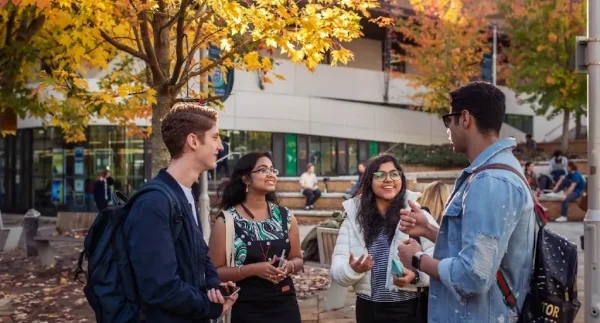
Educational diversity is also important for developing students’ social skills and their understanding of the world. Yerevan’s schools have, in general, more diverse student groups, providing students with a broader range of cultural and socio-economic perspectives. Rural schools are often more homogenous, limiting students’ exposure to different cultures and ideas.
Sweden has made concerted efforts to promote diversity in its schools through student exchange programs. Rural students in Sweden participate in exchange programs that allow them to study in urban environments for part of the academic year, giving them exposure to different ideas and experiences.
Armenia could implement student exchange programs between rural and urban schools, allowing rural students to experience the diversity of urban educational environments.
Furthermore, developing partnerships with international organizations could help bring more cultural and educational diversity to rural areas through guest lectures, workshops, and cultural events. By promoting school diversity, Armenia can help rural students develop the social skills and broader perspectives needed to succeed in the modern, interconnected world.
In conclusion, the urban-rural divide in Armenia’s education system continues to hinder equal access to learning opportunities. By considering Sweden’s approaches to addressing similar challenges—such as access to technology, creating favorable conditions for teachers, improving infrastructure, and promoting school diversity—Armenia can work towards a more equitably developing education system.
These solutions will not only benefit rural students but also contribute to the overall development of the country, ensuring that everyone has the opportunity to succeed.
MFE Co-founder,
MA in International and Comparative Education, Stockholm University